

By Emma Ujah, Abuja Bureau Chief
Nigeria’s Ways & Means portfolio has crashed to N2.84 trillion, down from N26.95 trillion inherited by current administration.
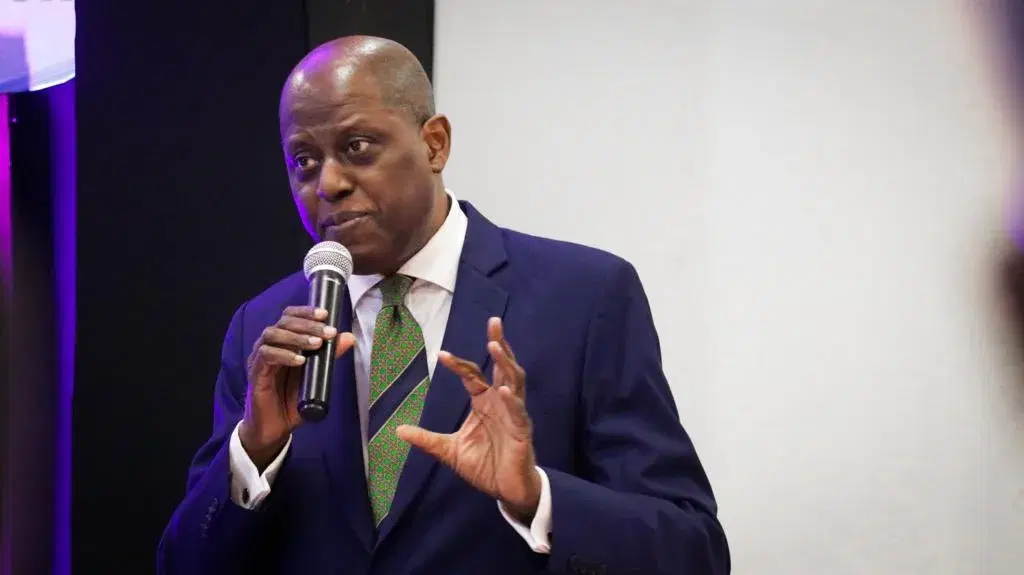
Governor of the Central Bank of Nigeria, CBN, Mr. Olayemi Cardoso, disclosed this at the Monetary Policy Forum, themed, “Strengthening Nigeria’s Macroeconomic Stability Through Effective Monetary Policy: The role of Critical Stakeholders” in Abuja, yesterday.
According to him, his team inherited various challenges but decided to tackle them head-on, expressing satisfaction at the outcomes of the reforms.
His words, “With a clear understanding of the gravity of these challenges, we moved swiftly to implement far reaching, bold but necessary reforms aimed at restoring credibility, normalizing policy conduct, rebuilding confidence, and stabilizing the macroeconomic environment.
“The first critical step was the restoration of monetary–fiscal discipline. Ways and Means financing was reined-in decisively, declining from ¦ 26.95 trillion to ¦ 3.51 trillion in December 2024 and further to ¦ 2.84 trillion by January 2026, marking one of the sharpest fiscal consolidations in recent history.
“This action restored compliance with the law, strengthened central bank independence, signalled to markets about the Bank’s commitment to orthodoxy and transparency, and sent a clear message that the era of fiscal dominance had come to an end.”
On the Foreign Exchange (FX) front, the CBN boss said that the various reforms he introduced yielded the desired results, stabilizing the market and increasing FX inflows.
According to him, “Our reforms have now repositioned diaspora remittances among Nigeria’s most stable FX sources, often outperforming oil receipts during periods of market stress.
“Monthly inflows through formal channels have tripled since the reforms from about US$200 million to US$600 million, with a policy target of US$1.0 billion per month by end-2026, representing a structural shift, rather than a mere cyclical growth.
“In addition, improved settlement architecture and tighter prudential controls have supported FX liquidity.
“Collectively, these measures narrowed the parallel market premium to under 2.0 %, restored correspondent banking confidence, and improved overall market functioning.
“These reforms were strongly complemented by an improved external reserves position.
“Gross external reserves increased from US$38.34 billion in February 2025 to US$50.12 billion in February 2026, representing a 30.73 percent year on year increase, the highest level recorded in 13 years. Similarly, Net External Reserves have surged from US$3.99 billion at end of 2023 to US$34.80 billion at the end of 2025, representing 772.2 per cent increase and higher than total gross reserves in 2023.
“Importantly, Nigeria’s Balance of Payments also strengthened, recording a surplus of US$4.59 billion in Q3 2025, compared with a deficit of US$2.77 billion earlier in the year.”
Cardoso said that the far reaching reforms pursued by his team have enhanced resilience, strengthened governance, and aligned regulatory frameworks with emerging risks.
He revealed that the banking sector recapitalisation programme has recorded commendable progress, with 32 banks having already met the revised capital requirements.
“This achievement has significantly strengthened the resilience and capacity of the Nigerian banking system, positioning it to effectively mobilise long term capital, support productive investment, and play its critical role in enabling the transition towards a US$1.0 trillion economy,” he said.
Cardoso said despite the gains, “we recognise that the journey is far from complete. Our next phase is focused on consolidation: anchoring inflation firmly on a downward trajectory toward a single digit level, sustaining exchange rate stability, strengthening reserve buffers through organic inflows, deepening interbank market development, and enhancing the robustness of our monetary policy transmission.”
He noted that achieving the goals required continued collaboration with the fiscal authority, disciplined policy execution, and strong stakeholder engagement.
In his remarks, the Minister of Finance and Coordinating Minister of the Economy, Mr. Wale Edun stated: “One of the key tools available to tackle inflation is interest rates,” but that, “When interest rates are high, the cost of financing rises across the board—affecting government on the fiscal side, as well as households and businesses.
“However, as reforms take hold and inflation begins to ease, we can reasonably expect interest rates to decline over time, subject to decisions by the relevant authorities. This is an important dynamic to keep in mind.”
Edun agreed with the CBN governor in recognizing that macroeconomic stability could not be achieved by any single institution and that it required policy coherence, institutional discipline, and sustained collaboration across monetary, fiscal, and broader economic authorities.
The post CBN crashes Ways & Means to N2.8trn – Cardoso appeared first on Vanguard News.